Regents-Accellion Data Breach Settlement Notice Facts
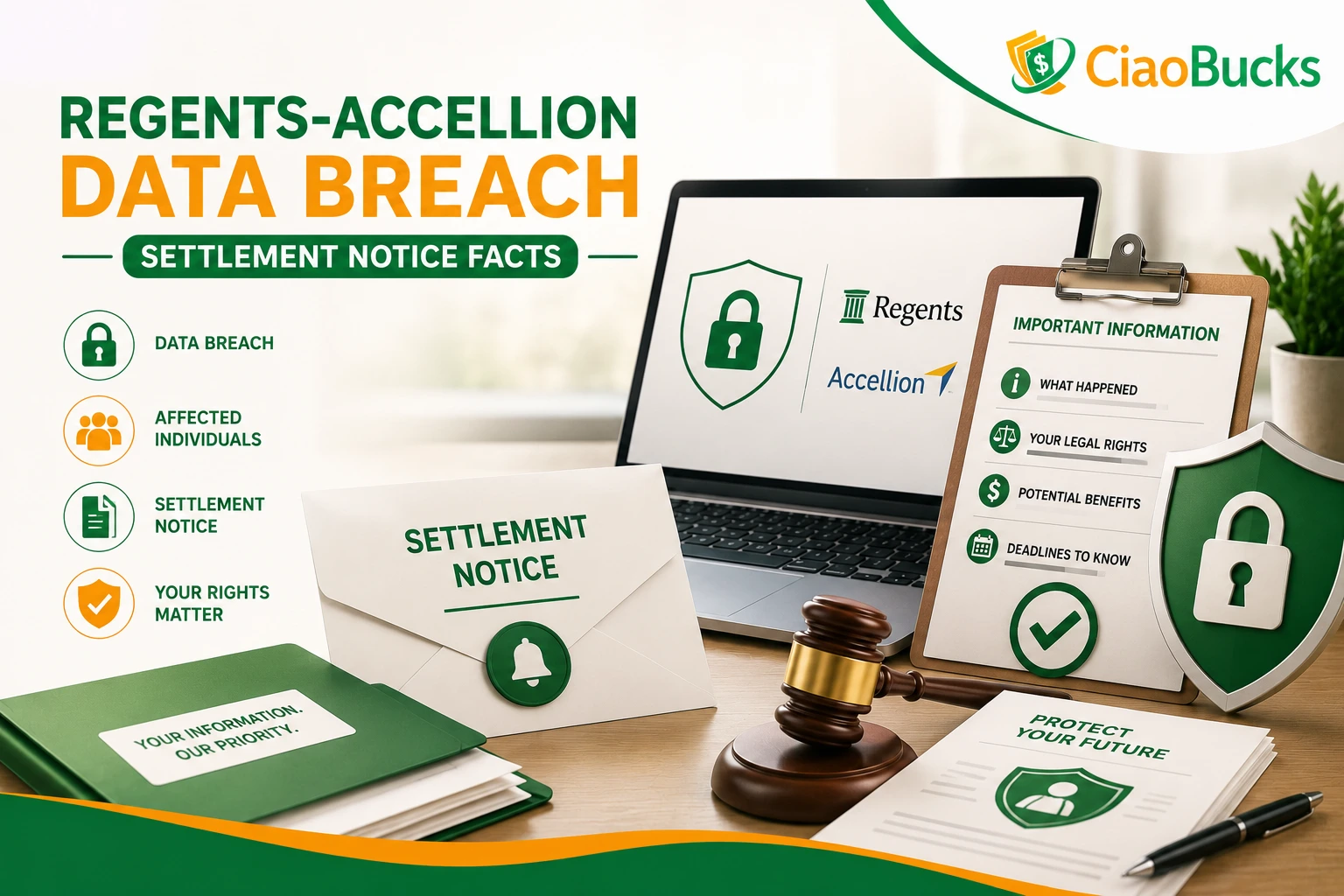
The recent regents-accellion data breach settlement notice highlights a severe cybersecurity incident at the University of California. Hackers breached internal networks using a third-party application. This failure exposed the private records of hundreds of thousands of people. The university ultimately established a multimillion-dollar compensation fund. Affected individuals must submit their paperwork before the fast-approaching legal deadlines.
The University of California Security Incident
File Transfer Appliance Vulnerability
The initial crisis began during the winter of 2020. The University of California Office of the President suffered a massive network intrusion. A cyberattack targeted a file transfer application licensed from Accellion. This legacy software was designed to handle large file transfers securely. However, malicious actors discovered a severe vulnerability within the system. They successfully bypassed standard digital defenses to access internal servers.
Compromised Student and Medical Records
The uc accellion data breach resulted in massive information theft. The attackers stole vast amounts of highly sensitive personal information. This included responses to the 2020 Undergraduate Experience Survey. The exposure severely impacted student data across multiple university departments. Furthermore, hackers accessed highly confidential medical records and health insurance details. This failure put over 350,000 individuals at extreme risk of identity theft.
Timeline of the Winter Cyberattack
The unauthorized access occurred between mid-December 2020 and January 2021. IT administrators noticed suspicious activity across the primary data university network. Cybersecurity forensic experts were immediately called to contain the widespread intrusion. They worked quickly to isolate the compromised servers. The primary goal was to stop further digital damage from spreading. The delayed public notification frustrated many affected employees and students.
Impact on UC Irvine and Campus Services
Exposure of UCI Data and Registrar Services
The breach had a severe impact on the UC Irvine campus. The University Registrar manages massive amounts of sensitive academic data. The hackers successfully compromised important uci data during the incident. This exposure caused widespread alarm among the current student body. Students worried about the safety of their academic histories and enrollment records. The administrative offices worked tirelessly to secure the affected digital infrastructure.
WebReg and StudentAccess Protection Measures
University officials immediately restricted access to several primary academic platforms. Popular systems like WebReg and StudentAccess required new security reviews. These portals handle sensitive enrollment data and personal student contact information. IT teams implemented forced password resets for all active student accounts. They also added two-factor authentication requirements for off-campus network access. These immediate measures protected remaining colleges data from secondary cyberattacks.
Security Notices Issued from Aldrich Hall
Administrators quickly released official security warnings from Aldrich Hall. These urgent communications advised students to monitor their financial accounts closely. The campus data exposure forced the university to update its internal guidelines. Officials distributed new digital safety protocols to all active faculty members. They strongly recommended placing temporary fraud alerts on personal credit files. This proactive advice helped many students avoid severe financial damage.
The Class Action Lawsuit Details
Legal Claims Against the University
Victims quickly filed a massive class action lawsuit following the incident. The official legal case is Erazo v. The UC Regents. This consolidated lawsuit currently resides in a California state court. Plaintiffs claimed the university maintained an entirely inadequate data breach policy. They accused the institution of ignoring basic cybersecurity safety standards. The lawsuit demanded immediate financial compensation for all affected class members.
Allegations of Corporate Negligence
The legal filings pointed out severe flaws in the network architecture. Lawyers argued the university failed to protect basic data programs. The plaintiffs claimed the school ignored repeated warnings about the software. This failure directly allowed the hackers to steal massive amounts of data. This incident mirrors the allegations seen in the panera data breach settlement. Victims demanded total accountability from the educational institution.
UC Regents Denial of Legal Wrongdoing
The UC Regents strongly deny all liability and alleged legal wrongdoing. The university insists its security measures met standard legal requirements. Furthermore, they claim they did not violate any consumer privacy laws. However, avoiding a lengthy public trial remained a top priority. A public trial would expose sensitive internal network vulnerabilities. Therefore, both sides eventually agreed to enter private mediation sessions.
Settlement Fund and Financial Benefits
Breakdown of the Multimillion Dollar Fund
Both legal parties reached a mutual agreement after lengthy private negotiations. The university agreed to establish a $5.8 million cash fund. This financial agreement completely resolves the pending class action claims. The massive fund covers victim compensation, administration costs, and attorney fees. The distribution rules ensure victims receive fair and equitable financial relief. This payout is smaller than the ils data breach settlement, but still significant.
Claims for Out-of-Pocket Financial Losses
The settlement agreement provides direct reimbursement for documented financial damages. Victims can claim up to $10,000 for verified out-of-pocket losses. These expenses must result directly from the 2020 data exposure. Eligible expenses include credit monitoring fees and unauthorized bank charges. Claimants can also request reimbursement for lost personal time. Individuals can claim multiple hours of lost time spent repairing their credit.
Statutory Payments for California Residents
The settlement agreement includes specific rules for certain California residents. California enforces strict state-level medical privacy protection laws. The Confidentiality of Medical Information Act subclass members receive special compensation. These specific individuals can claim an additional $150 statutory payment. This provision addresses the unique damages allowed under state law. All final cash payouts are ultimately subject to pro-rata mathematical reductions.
How to Submit a Claim Form
Official Settlement Administrator Instructions
The court appointed a neutral administrator to handle the designated funds. This agency reviews all submitted claim forms for total accuracy. They ensure that only legitimate victims receive compensation from the fund. Furthermore, the administrator handles all public inquiries and phone calls. This strict administrative oversight actively prevents fraudulent claims from succeeding. Valid claims require complete and accurate personal information.
Required Documentation for Academic Data Losses
Class members must follow strict instructions when submitting financial claims. Filing an expense claim requires clear and convincing supporting documentation. Acceptable proof includes official bank statements, credit card bills, or invoices. The administrator will instantly reject claims lacking proper financial evidence. Therefore, claimants must carefully organize their records before submitting the forms. The official legal process is always free for affected consumers.
Selecting Cash Options or Pro-Rata Distribution
Alternatively, claimants can select a standard pro-rata cash payment instead. This option does not require extensive financial documentation or receipts. The administrator will calculate this exact amount after tallying all claims. Similar to the reventics data settlement, participation rates determine final payout sizes. Massive victim participation rates often lower the final individual payout amounts. You must carefully weigh your specific financial options before filing.
Critical Legal Deadlines and Rights
Meeting the Final Claim Deadline
Consumers must stay actively informed about all upcoming legal deadlines. The strict deadline to submit a claim is October 20, 2025. You must file your paperwork online or postmark it by this date. Late submissions will not receive any financial compensation from the fund. The court does not grant extensions for forgotten paperwork. Completing the forms early is highly recommended for all victims.
Rules for Opting Out or Objecting
Class members have several legal options during this specific settlement period. You can choose to opt out of the settlement entirely. The strict legal deadline to opt out is also October 20, 2025. Opting out allows individuals to pursue separate private litigation later. Alternatively, you can file a formal objection to the settlement terms. Objecting allows you to tell the judge why the agreement is unfair.
Final Court Approval Hearing Process
The legal settlement follows a strict timeline approved by the judge. The court scheduled the final fairness approval hearing for late 2025. The presiding judge will determine if the final plan is fair. Approved payments will go out shortly after the final hearing concludes. Claimants must cash their settlement checks before the printed expiration date. Uncashed checks will become completely void and unusable afterward.
Future Cybersecurity Practices at UC Campuses
Upgrades to University Database Security
The university initiated massive internal changes following the severe breach. IT departments completely overhauled the primary database course architecture. The institution reportedly spent millions to upgrade its overall digital security. Corporate leaders replaced outdated legacy servers with modern, secure hardware. They also hired dedicated cybersecurity experts to monitor daily network traffic. This massive financial commitment shows a renewed focus on privacy.
Managing Long-Term Student Identity Risks
The administration also implemented new educational requirements for all students. Freshmen must now complete a basic cybersecurity awareness course online. This training teaches students how to spot sophisticated phishing emails. Furthermore, the university updated its official policy data breach response protocols. These new rules dictate exactly how the school must react during crises. The administration hopes these strict measures prevent another catastrophic data breach university incident.
Strengthening Incident Response Protocols
IT teams implemented much stricter password complexity requirements for everyone. Students must now rotate their secure passwords every ninety days. The university also mandated two-factor authentication for all remote system access. This specific control blocks hackers even if they steal user passwords. These simple steps drastically reduce the chances of a secondary cyberattack. Security experts regularly audit these new systems for hidden vulnerabilities.
Frequently Asked Questions
Who Qualifies as a Settlement Class Member?
The settlement class includes individuals affected by the Accellion software breach. Your sensitive information must have been exposed during the 2020 cyberattack. Eligible members include current students, alumni, and former university employees.
How Much Money Can I Receive?
Approved claimants can receive up to $10,000 for documented financial losses. Certain California residents can also claim a $150 statutory privacy payment. All final cash payouts are heavily dependent on total victim participation rates.
Where Can I Find the Official Forms?
You should always consult the verified class action settlement database directly. The official case website provides secure digital downloads of all forms. You must submit your completed paperwork before the October 2025 deadline.
Final Takeaways
The massive cybersecurity failure at the University of California exposed hundreds of thousands of confidential records. This severe network intrusion forced the educational institution to establish a multimillion-dollar settlement fund. Affected students and employees must submit their formal financial claims before the strict October 20, 2025 deadline. Consumers should utilize the official secure portal to ensure their paperwork is processed quickly and accurately.
Furthermore, this incident highlights the extreme vulnerability of large academic databases to modern cyberattacks. Universities hold massive amounts of sensitive personal, medical, and financial data for their student populations. Institutions must continuously upgrade their digital defenses to block unauthorized access by malicious third parties. Students must also remain extremely vigilant and actively monitor their credit files for any suspicious activity.