Why Digital Identity Is the Future
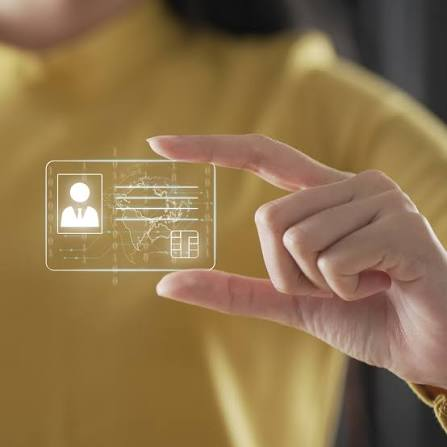
Our digital identity has become just as important as our real-world identity. Every social media profile, gaming account, online portfolio, and digital wallet represents who we are on the internet. Many people also search for PFP image inspiration to create a profile picture that reflects their personality and makes a strong first impression. As technology continues to evolve, digital identity is becoming the foundation of how people communicate, work, learn, shop, and interact online.
What Is Digital Identity?
Digital identity is the collection of information that represents a person, business, or organization online. It includes usernames, profile pictures, email addresses, digital wallets, online accounts, and other personal information used across websites and applications.
Unlike physical identity cards, digital identities exist across multiple platforms. Every interaction, comment, purchase, or account contributes to someone’s online presence.
A well-managed digital identity helps people build trust, protect their reputation, and access digital services more easily.
Why Digital Identity Is Becoming More Important
The internet has become a central part of daily life. People now work remotely, attend online classes, shop through e-commerce websites, manage finances digitally, and communicate through social platforms.
Because so many activities happen online, verifying identity has become increasingly important. Digital identity allows businesses and users to confirm who they are without relying entirely on paper documents.
As digital services continue expanding, secure identity systems will become even more valuable.
Building Trust Online
Trust plays a major role in every online interaction. Whether someone is buying a product, hiring a freelancer, or joining a virtual community, they want confidence that the other person is genuine.
A consistent digital identity helps establish credibility. Using the same profile image, username, and professional information across platforms makes it easier for others to recognize and trust an individual or business.
Verified accounts and secure authentication methods further strengthen online trust.
Digital Identity and Personal Branding
Personal branding has become essential for professionals, creators, entrepreneurs, and students. A strong digital identity helps people showcase their skills, achievements, and interests.
Professional networking platforms, personal websites, and social media profiles all contribute to an individual’s brand.
Maintaining consistent branding through profile pictures, biographies, and content allows people to build stronger recognition and expand career opportunities.
The Role of Blockchain
Blockchain technology is changing how digital identities are managed. Instead of storing personal information in one centralized database, blockchain allows users to control and verify their own identity securely.
Decentralized identity systems reduce dependence on a single organization while increasing transparency and security.
Users may eventually verify education, employment history, certifications, or memberships without repeatedly sharing sensitive personal information.
Better Privacy and Security
Privacy concerns continue growing as more personal data is stored online. Traditional systems often require users to provide large amounts of personal information to multiple websites.
Modern digital identity solutions aim to give users greater control over what information they share.
Instead of revealing unnecessary personal details, individuals may verify only the information required for a specific service. This approach improves privacy while reducing the risk of identity theft.
Digital Identity in Everyday Life
Digital identity already plays an important role in everyday activities. People use online accounts for banking, healthcare, education, entertainment, travel, shopping, and government services.
Secure identity verification allows users to access these services more efficiently while reducing paperwork and manual verification processes.
As governments and businesses adopt more digital services, reliable identity systems will become increasingly essential.
Supporting the Creator Economy
Content creators rely heavily on digital identity. Artists, writers, designers, educators, and influencers build their audiences through recognizable online profiles.
A consistent identity helps followers identify authentic creators and avoid fake accounts.
Creators also benefit from blockchain technology, which can verify ownership of digital content and protect intellectual property rights.
Opportunities in Web3
Web3 introduces new possibilities for digital identity through decentralized technologies.
Instead of creating separate accounts for every website, users may eventually access multiple platforms using one secure blockchain-based identity.
Digital wallets can serve as both financial tools and identity credentials, allowing users to prove ownership of digital assets, memberships, and achievements.
This approach gives individuals more control over their online presence.
Challenges to Overcome
Despite its advantages, digital identity also presents challenges. Cybersecurity threats, phishing attacks, and identity theft remain major concerns.
Users should protect their accounts with strong passwords, two-factor authentication, and secure recovery methods.
Organizations must also create identity systems that balance security, privacy, and user convenience while complying with legal regulations.
Artificial Intelligence and Digital Identity
Artificial intelligence is beginning to influence identity verification through facial recognition, biometric authentication, and fraud detection.
AI can help identify suspicious login attempts and improve account security. However, organizations must use these technologies responsibly to protect user privacy and prevent misuse.
Combining AI with secure digital identity systems may improve both convenience and protection.
The Future of Digital Identity
The future of digital identity will likely involve greater user control, stronger privacy protections, and broader interoperability across platforms.
People may use one verified identity to access education, healthcare, financial services, professional networks, and virtual environments without repeatedly creating new accounts.
Businesses may also streamline customer experiences by reducing lengthy registration and verification processes.
As blockchain, artificial intelligence, and Web3 technologies continue developing, digital identity will become an essential part of everyday digital life.
Tips for Managing Your Digital Identity
Everyone can take simple steps to strengthen their online identity. Use strong and unique passwords, enable two-factor authentication, and regularly update account security settings.
Maintain consistent professional information across platforms and review privacy settings carefully before sharing personal details.
Being mindful of what you post online also helps build a positive long-term reputation.
Conclusion
Digital identity is shaping the future of how people interact with technology. It supports secure access to online services, strengthens personal branding, protects privacy, and enables participation in emerging technologies like blockchain and Web3.
As more aspects of daily life move online, managing a secure and trustworthy digital identity will become increasingly important. By understanding how digital identity works and following good security practices, individuals and businesses can confidently prepare for the future of the digital world.