What Is PMUSA Charge on Credit Card and Should You Be Worried?
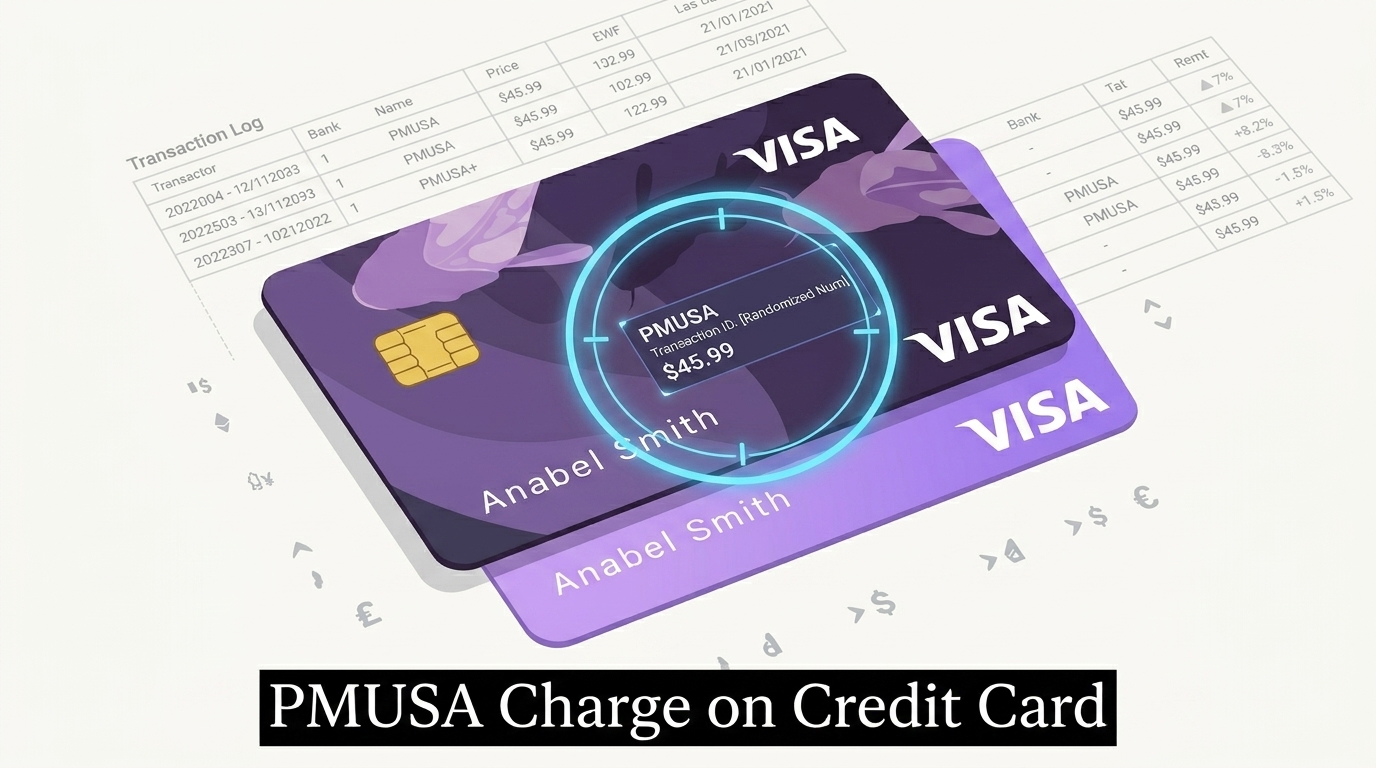
Seeing an unfamiliar charge on your credit card can feel stressful, especially when the name does not make sense. Many users notice something labeled “PMUSA” and immediately worry about fraud. That reaction is understandable. However, before jumping to conclusions, it is important to understand what this charge usually means and how it appears on a bank statement.
In most cases, a PMUSA charge is not random or malicious. It is often tied to a real transaction, but the way it appears can make it confusing. This guide will help you clearly understand what PMUSA means, why it shows up, and what you should do next.
Quick Answer
A PMUSA charge on credit card is most commonly linked to parking or toll payments processed through services like ParkMobile. In some cases, it may also appear as a shortened merchant descriptor used by payment processors.
If you do not recognize the charge, do not panic. First verify your recent activity, then contact your bank if anything seems suspicious.
What Does PMUSA Mean on a Credit Card Statement?
When you see PMUSA on your bank statement, you are looking at what is called a merchant descriptor. This is the name that appears instead of the full business name. Unfortunately, these descriptors are often shortened or coded, which makes them hard to recognize.
PMUSA is typically associated with digital parking or toll-related transactions. Instead of showing a clear company name, your financial institution may display this abbreviated version.
This is why many users feel confused. The transaction is real, but the label does not match what they remember.
Common PMUSA Charge Descriptions You Might See
You may not always see the exact same format. The way PMUSA appears can vary depending on the bank or payment processor.
Some common variations include:
- PMUSA
- PMUSA TOLLING
- PMUSA followed by a city or location
- PMUSA with a reference number or code
These variations are normal. They reflect how transaction data is processed and displayed rather than different companies.
Why Is There a PMUSA Charge on Your Credit Card?
Understanding why this charge appears is the key to reducing confusion. In most cases, it comes from everyday activities that are easy to forget.
Digital payments, especially small ones, often go unnoticed. Later, when they appear on your statement with a shortened name, they feel unfamiliar.
Most Common Legitimate Reasons
Several common situations can trigger a PMUSA charge on credit card:
- You paid for parking using a mobile app
- You passed through a toll system linked to your card
- You used a saved card in an app without noticing
- A delayed charge posted after your original activity
These are all normal scenarios. The issue is not the transaction itself, but how it is labeled on your bank statement.
Why This Charge Often Confuses People
There are a few reasons why PMUSA charges feel suspicious even when they are not:
- The amount is often small and easy to forget
- The charge may appear days after the activity
- The descriptor does not clearly show the merchant name
- Someone else with access to your card may have used it
Because of these factors, even legitimate transactions can look like unauthorized charges at first glance.
Is PMUSA Charge Legit or a Scam?
This is the most important question for most users. The answer depends on your own transaction history.
A PMUSA charge is often legitimate, but it should always be verified. You should never ignore a charge that you do not recognize.
Signs the Charge Is Legitimate
You are more likely dealing with a valid transaction if:
- The amount matches a recent parking or toll payment
- The date aligns with your travel or activity
- You find a matching receipt or app notification
- Someone in your household confirms the transaction
In these cases, the charge is simply a billing label issue, not fraud.
Signs It Might Be Unauthorized
You should take the situation seriously if:
- You cannot match the charge to any activity
- The location does not make sense
- The charge repeats without explanation
- You have never used parking or toll apps
These signs may indicate an unauthorized transaction, and you should act quickly to protect your account.
How Can You Verify a PMUSA Charge on Your Credit Card Step by Step?
When you notice a PMUSA charge on credit card, the goal is not to panic but to verify it properly. A clear step-by-step approach helps you avoid mistakes and unnecessary disputes.
Step 1: Review Your Credit Card Statement Carefully
Start with the basics. Look closely at the transaction details on your bank statement. Focus on the exact amount, date, and any additional descriptor text.
Even a small difference in timing can explain the confusion. Some charges appear a day or two after the actual activity, which makes them feel unfamiliar.
Step 2: Match the Charge With Recent Activity
Next, think about your recent movements. Try to recall where you parked, whether you used a toll road, or if you traveled within the past few days.
Many users forget small transactions like parking sessions. These are the most common reason behind a PMUSA charge on credit card.
Step 3: Check Your Apps and Email Confirmations
Now check your phone and inbox. Parking or toll services usually send receipts or notifications after a transaction.
Search your email using the charge amount or date. In many cases, you will quickly find a confirmation that explains the charge.
Step 4: Ask Family Members or Shared Card Users
If you share your card with someone else, this step is important. A family member or colleague may have used the card without informing you immediately.
This is a common reason why a charge looks unfamiliar even though it is legitimate.
Step 5: Contact the Merchant or Your Bank
If the charge still does not make sense, it is time to take action. Contact the merchant first if possible, or reach out to your bank’s customer support.
At this stage, you move from guessing to confirming. If the charge is unauthorized, your bank will guide you through the dispute process.
What Should You Do If You Do Not Recognize the PMUSA Charge on Credit Card?
If the charge does not match any of your activity, you should treat it as potentially unauthorized. Acting quickly helps reduce risk and prevents further issues.
The first step is to contact your bank or financial institution using the number on the back of your card. Explain that you noticed an unknown transaction and want to investigate it. Banks handle these situations regularly, so the process is straightforward.
Once reported, you can request a dispute. This formally flags the transaction as suspicious. Your bank will then begin an investigation, often called a chargeback process. During this time, they may temporarily reverse the charge while reviewing the details.
Depending on the situation, your bank might recommend freezing your card or issuing a replacement. This step is important if there is any sign of fraud, especially if multiple unknown charges appear.
At the same time, keep monitoring your account closely. Unauthorized transactions sometimes come in small test amounts before larger charges follow. Staying alert helps you catch problems early.
How Do Merchant Descriptors Like PMUSA Actually Work?
To understand why this situation happens, it helps to look at how payment systems display transactions. What you see on your bank statement is not always the exact business name. It is a formatted label called a merchant descriptor.
This descriptor is created during the payment process. It can include abbreviations, internal codes, or location data. That is why a well-known service may appear as something unfamiliar like PMUSA.
Banks and payment processors also format these descriptors differently. One bank might show a full name, while another shortens it. As a result, the same transaction can look completely different depending on where you check it.
This system is efficient for processing payments, but it often creates confusion for users. Understanding this removes a lot of unnecessary panic when you see unknown labels.
How Can You Avoid Confusion With Future Credit Card Charges?
Once you understand how these charges appear, you can take simple steps to avoid confusion in the future. The key is to stay organized and aware of your transactions.
Make it a habit to review your transaction history regularly instead of waiting for the monthly statement. This helps you connect charges with recent activities while they are still fresh in your memory.
It also helps to enable real-time alerts from your bank. These notifications inform you immediately when a charge is made, which removes guesswork later.
Keeping digital receipts or confirmation emails can also save time. When a charge appears with an unfamiliar name, you can quickly match it with stored records.
Over time, these small habits make it much easier to recognize legitimate charges and spot suspicious activity early.
Frequently Asked Questions About PMUSA Charge on Credit Card
Is PMUSA charge on credit card always fraud?
No, a PMUSA charge on credit card is not always fraud. In many cases, it is linked to legitimate parking or toll payments. However, you should always verify the details if the charge feels unfamiliar.
What company is behind PMUSA charge on credit card?
Most reports connect PMUSA charge on credit card to parking-related services such as ParkMobile. Still, the exact display can vary depending on the payment processor and bank formatting.
Why does PMUSA charge include codes or locations?
Banks often attach extra details like city names or reference codes to a transaction. These additions help identify the payment internally, but they can make the charge look confusing to users.
Can I dispute PMUSA charge on credit card immediately?
Yes, you can dispute a PMUSA charge on credit card as soon as you believe it is unauthorized. Contact your bank quickly so they can begin the investigation and protect your account.
Should I cancel my card after a PMUSA charge on credit card?
You do not always need to cancel your card. If the charge is confirmed as fraud, your bank may suggest replacing it. If it is legitimate, no further action is required.
What evidence helps dispute PMUSA charge on credit card?
Useful evidence includes your bank statement, transaction details, receipts, and any communication related to the charge. Clear documentation makes the dispute process faster and smoother.
How long does a PMUSA charge investigation take?
The time can vary, but most banks complete investigations within a few days to a few weeks. During this period, they review transaction data and verify whether the charge is valid.
Final Takeaways
A PMUSA charge on credit card may look confusing at first, but it is often tied to normal activities like parking or toll payments. The unfamiliar name is usually the result of how merchant descriptors are displayed, not a hidden or unknown company.
Instead of assuming the worst, focus on verifying the charge step by step. Check your recent activity, match the details, and only escalate if something does not add up. This approach keeps you calm and in control.
If the charge turns out to be unauthorized, act quickly and involve your bank. They are equipped to handle disputes and protect your account. Staying aware and reviewing your transactions regularly will help you avoid similar confusion in the future.