How to Improve Home Energy Efficiency on a Budget
Why Focus on Energy Efficiency
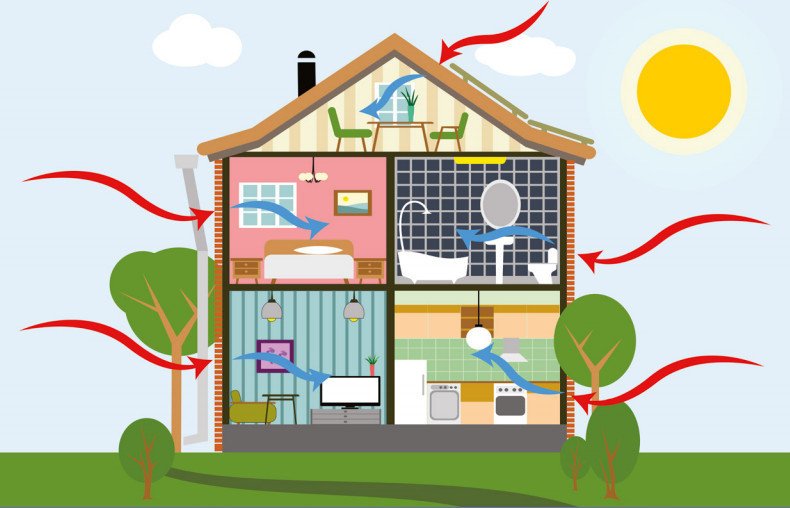
Improving your home’s energy efficiency is one of the most practical ways to cut monthly bills, reduce waste, and create a more comfortable living environment. Even if you’re on a budget, small and smart changes can significantly improve your home’s performance. Learning How Modern IT Infrastructure Boosts Banking Efficiency shows how systems improvements create better outcomes, and the same idea applies at home — upgrading small parts of your system creates long-term savings and smoother performance.
Insulate and Seal — The Big Wins
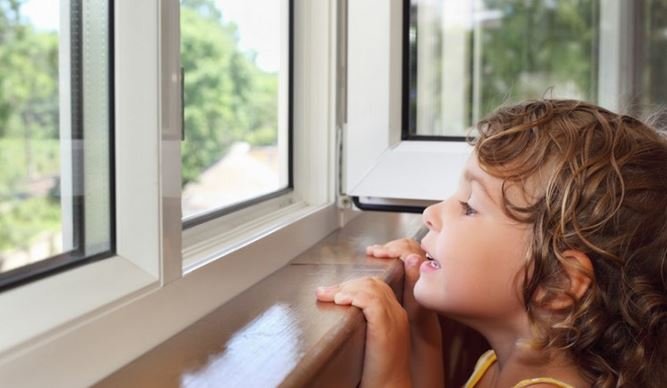
- Seal drafts around windows & doors — Gaps around windows, doors, or floor edges let warm (or cool) air escape. Weather-stripping or simple draft-proofing materials can block these leaks and reduce heating or cooling loss.
- Insulate attic, walls, and water pipes — A well-insulated attic and walls helps retain heat in winter and stay cooler in summer. Wrapping hot-water pipes or insulating your water heater also cuts energy waste and stabilizes water temperature.
- Use thermal curtains or insulated blinds — Heavy curtains or insulated window coverings trap warmth in winter and block excessive heat in summer. This reduces the burden on heating or cooling systems.
Consider upgrading your HVAC system to enhance your home’s energy efficiency. Modern systems are designed to consume less energy while providing optimal comfort. Regular maintenance can also prevent energy loss and extend the lifespan of your equipment. If you’re unsure about the condition of your current system, it might be time to consult a professional. For those in need of expert advice or service, you can view our service to explore options tailored to your needs. Investing in energy-efficient solutions not only reduces utility bills but also contributes to a more sustainable environment.
These steps often require minimal upfront cost but return value through lower energy use.
For those residing in Spring Hill, FL, optimizing home energy efficiency can be both practical and cost-effective. The region’s climate offers unique opportunities to harness natural resources, such as sunlight, to reduce energy consumption. Simple adjustments, like installing energy-efficient windows or using thermal curtains, can significantly impact your utility bills. Additionally, regular maintenance of HVAC systems ensures they operate at peak efficiency, providing comfort without unnecessary energy waste. By adopting these strategies, homeowners can enjoy a more sustainable lifestyle while keeping expenses in check.
Another effective strategy to enhance your home’s energy efficiency is to focus on regular maintenance of your heating and cooling systems. Ensuring these systems are running optimally can significantly reduce energy consumption. Scheduling routine check-ups with professionals like ONEWAY Heating & Air Conditioning can help identify potential issues before they escalate, ensuring your systems operate efficiently year-round. Additionally, consider upgrading to a programmable thermostat, which allows you to set temperatures according to your schedule, further optimizing energy use. By taking these steps, you not only improve your home’s energy efficiency but also contribute to a more sustainable environment, all while keeping costs manageable.
Upgrade Lighting and Appliances
- Switch to LED or energy-efficient bulbs — LED bulbs use far less electricity and last much longer than traditional bulbs. Over time, they can significantly reduce lighting costs.
- Unplug or turn off idle electronics — Devices left on standby still draw power. Make it a habit to switch off lights, TVs, chargers, and other electronics when not in use.
- Choose energy-efficient appliances when replacing old ones — When it’s time to replace refrigerators, heaters, or other major appliances, opt for models with high energy-efficiency ratings. These use less electricity and often come with long-term savings.
These changes help cut down daily electricity consumption — and often pay for themselves quickly.
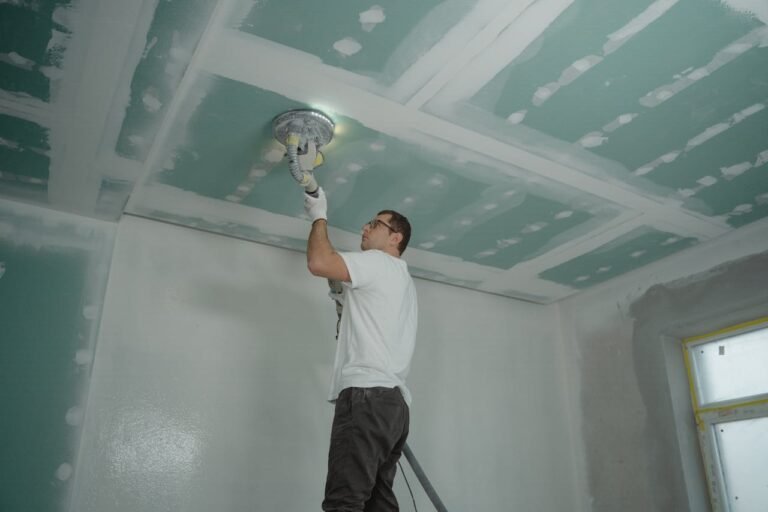
Another effective way to enhance your home’s energy efficiency is by addressing any cracks or gaps in your walls. These small openings can lead to significant heat loss, making your heating system work harder than necessary. Hiring a skilled plasterer in Melbourne can help seal these gaps, ensuring your home retains warmth during colder months. This not only improves comfort but also reduces energy bills. Additionally, consider using energy-efficient materials for any repairs or renovations. By taking these steps, you can create a more sustainable living environment without breaking the bank.
Smart Heating, Cooling, and Water Use
- Use programmable or smart thermostats — A smart thermostat can automatically adjust heating/cooling based on whether you’re home or away, reducing unnecessary energy use and cutting heating/cooling bills.
- Lower water heater and HVAC settings moderately — Reducing water heater temperature slightly (while staying within safe limits) can save energy. Similarly, avoid overheating or overcooling rooms; modest temperature adjustments have a big impact.
- Maintain HVAC systems and replace filters regularly — Clean filters improve airflow and efficiency, making heating/cooling systems work less hard. Regular maintenance prevents inefficiency and extends system life.
Smart use of heating, cooling, and water systems helps you stay comfortable while minimizing energy waste.
To further enhance your home’s energy efficiency, consider scheduling regular maintenance for your heating and cooling systems. This not only ensures optimal performance but also extends the lifespan of your equipment. Simple tasks like changing air filters and sealing ductwork can make a significant difference. For more detailed guidance on maintaining your HVAC system, click to read about expert tips and advice. By staying proactive with these measures, you can enjoy a comfortable home environment while keeping energy costs in check. Remember, small steps can lead to substantial savings over time, making energy efficiency both achievable and affordable.
Day-to-Day Habits & Simple Behaviour Changes
- Maximize natural light and airflow — Open curtains during daylight to reduce lighting needs. In hotter weather, use fans and close curtains to block direct sun instead of relying solely on air conditioning.
- Be mindful of appliance use — Use appliances like washing machines, dryers, and dishwashers efficiently. For example, run full loads, avoid extra hot water washes, and air-dry when possible.
- Use water and energy wisely — Avoid excessive water heating when not needed. Shorter showers, fixing leaky taps, and turning off taps when not in use also contribute to energy and water savings.
These small everyday choices, multiplied over time, lower your bills and environmental footprint.
For those residing in Sumter, SC, optimizing home energy efficiency can be both practical and economical. Consider starting with simple steps like sealing drafts around windows and doors, which can significantly reduce energy loss. Additionally, investing in energy-efficient appliances can lead to long-term savings on utility bills. Local resources and professionals can offer tailored advice to ensure your home is as energy-efficient as possible. By taking these measures, you not only contribute to a more sustainable environment but also enjoy the comfort of a well-regulated home climate.
Optional Upgrades With Good Returns
Regular maintenance of your heating system is another crucial step in enhancing energy efficiency. Ensuring that your furnace is in top condition can prevent energy waste and reduce utility bills. If you notice any irregularities, such as strange noises or inconsistent heating, it might be time to consider a professional evaluation. For those in the Frisco area, scheduling a furnace repair frisco can address potential issues before they escalate. This proactive approach not only extends the lifespan of your furnace but also ensures that your home remains warm and energy-efficient throughout the colder months. Remember, a well-maintained system is key to a comfortable and cost-effective home environment.
If your budget allows some investment, consider:
- Upgrading to energy-efficient windows and doors — New double- or triple-glazed windows and properly sealed doors reduce heat loss or gain, cutting heating/cooling costs.
- Installing a modern, efficient water heater or heat pump system — A more efficient water heater or heat pump can lower water heating costs dramatically.
- Adding insulation to attic, walls, and floors — Proper insulation is among the most effective ways to stabilize indoor temperature year-round.
Though these require more upfront spending, they often pay back through long-term savings and increased home comfort.
Why These Steps Matter — Even on a Budget
- Low-cost or no-cost improvements (like sealing drafts, switching lights, adjusting habits) have minimal payback time but yield noticeable savings.
- Incremental upgrades (insulation, efficient appliances) build up over time to reduce energy bills significantly.
- Efficient homes use less power — reducing both monthly expenses and carbon footprint.
- Especially in climates with extreme heat or cold, efficient insulation and heating/cooling management improve comfort dramatically.
By combining smart habits with modest upgrades, you can transform a regular home into an energy-efficient, cost-saving space — without needing a large renovation budget.