Common Signs of a Pest Infestation in Your Home
Discovering pests in your home can be unsettling, but recognizing the early signs of an infestation is crucial for maintaining a safe and healthy living environment. Pests such as rodents, insects, and other unwanted creatures can cause significant damage to your property and even pose health risks to your family. From subtle clues like droppings and gnaw marks to more obvious indicators such as strange noises or unpleasant odors, being able to identify these warning signs can help you address the problem before it escalates. Understanding what to look for is the first step in protecting your home from unwanted invaders.
What to Look for in Your Home
Unusual Noises and Activity
One of the first signs that you may have a pest infestation is the presence of unusual noises, especially at night. Many pests, such as rodents, are nocturnal and become more active when the house is quiet. You might hear scratching, scurrying, or even squeaking sounds coming from your walls, attic, or basement. These noises often indicate that pests are moving around, building nests, or searching for food. In addition to sounds, you may notice increased activity in certain areas of your home, such as the kitchen or pantry, where food is stored. Pests are attracted to accessible food sources, and their presence can quickly become apparent if you start to see crumbs, chewed packaging, or small holes in food containers. Paying attention to these auditory and visual cues can help you catch an infestation early, before it becomes a larger problem.
Droppings and Physical Evidence
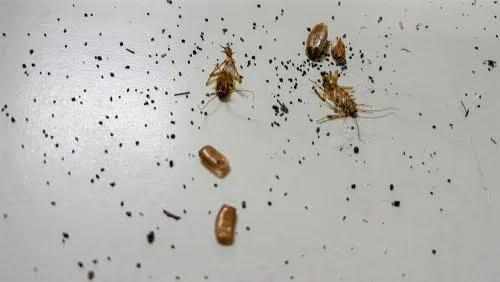
Another clear indicator of a pest problem is the discovery of droppings or other physical evidence left behind by unwanted guests. Rodents, cockroaches, and other pests often leave droppings in areas where they are active, such as behind appliances, in cupboards, or along baseboards. These droppings can vary in size and shape depending on the type of pest, but they are usually small, dark, and pellet-like. In addition to droppings, you may find urine stains, greasy marks, or even shed skin and wings from insects. These signs not only confirm the presence of pests but can also help you identify the specific type of infestation you are dealing with. If you notice any of these indicators, it is important to act quickly to prevent the problem from worsening. Many homeowners turn to Pest Control services to address infestations efficiently and safely, ensuring that their homes remain clean and pest-free.
Damage to Property and Belongings
Pests can cause significant damage to your home and personal belongings, often before you even realize they are there. Rodents are notorious for chewing through electrical wires, insulation, and even wooden beams, which can compromise the structural integrity of your home and increase the risk of fire. Insects such as termites and carpenter ants can also cause extensive damage by burrowing into wood and weakening the framework of your house. You may notice gnaw marks on furniture, holes in walls, or shredded paper and fabric, all of which are signs that pests are making themselves at home. In addition to structural damage, pests can ruin food supplies by contaminating them with droppings, urine, or saliva. This not only leads to wasted food but can also pose serious health risks if contaminated items are consumed. Regularly inspecting your home for signs of damage can help you catch infestations early and minimize the impact on your property.
Foul Odors and Unpleasant Smells
A persistent, unexplained odor in your home can be a strong indication of a pest infestation. Many pests emit distinctive smells that can linger in the air and become more noticeable over time. Rodents, for example, produce a musky scent that is often strongest near nesting sites or areas where they are most active. Cockroaches also give off a musty, oily odor that can permeate cupboards, drawers, and other enclosed spaces. In some cases, the smell may be caused by the presence of dead pests hidden within walls or under floorboards, which can create an even more unpleasant environment. These odors are not only unpleasant but can also signal the presence of bacteria and other pathogens associated with pest activity. If you notice a new or persistent smell in your home that you cannot identify, it is important to investigate further to determine if pests are the cause.
Signs in Outdoor Areas
Pest infestations often begin outside the home before making their way indoors. Inspecting your yard, garden, and the exterior of your house can reveal early warning signs of a potential problem. Look for burrows or tunnels in the soil, which may indicate the presence of rodents or other burrowing animals. Damaged plants, chewed leaves, or holes in the lawn can also be signs that pests are active in your outdoor spaces. Additionally, check for nests or hives in trees, shrubs, or under eaves, as these can be home to stinging insects like wasps or bees. Cracks or gaps in the foundation, siding, or around windows and doors can provide easy entry points for pests seeking shelter indoors. By addressing these outdoor issues promptly, you can reduce the likelihood of pests finding their way into your home and causing further problems.
When to Seek Professional Help
Sometimes, the signs of a pest infestation can be subtle or difficult to identify, especially if the pests are hiding in hard-to-reach areas. If you have noticed any of the warning signs mentioned above but are unsure about the extent of the problem, it may be time to consult a professional. Pest infestations can escalate quickly, and attempting to handle the situation on your own may not always be effective. Professionals have access to tools and treatments that are not available to the general public, allowing them to address the root of the problem and prevent future infestations. Seeking help sooner rather than later can save you time, money, and stress in the long run, while also protecting your home and family from potential health risks.
Quick Signs to Watch For
Sometimes, the most obvious signs of a pest infestation are easy to overlook. Keep an eye out for things like small piles of sawdust, which can indicate the presence of wood-boring insects, or grease marks along walls, a common sign of rodent activity. Even a sudden increase in spider webs or insect sightings can be a clue that pests are present. Staying vigilant and addressing these signs promptly can help you maintain a pest-free home.
Conclusion
Recognizing the common signs of a pest infestation in your home is essential for maintaining a safe and comfortable living environment. From unusual noises and droppings to property damage and foul odors, these indicators can help you identify a problem before it becomes severe. Regular inspections of both indoor and outdoor areas, along with prompt action when signs are detected, can make a significant difference in preventing pests from taking over your home. If you suspect an infestation or are unable to resolve the issue on your own, seeking professional assistance is a wise step to ensure the health and safety of your household. By staying informed and proactive, you can protect your home from the many challenges that pests can bring.