Hectrequautmvvl Charge on Credit Card: What It Is?
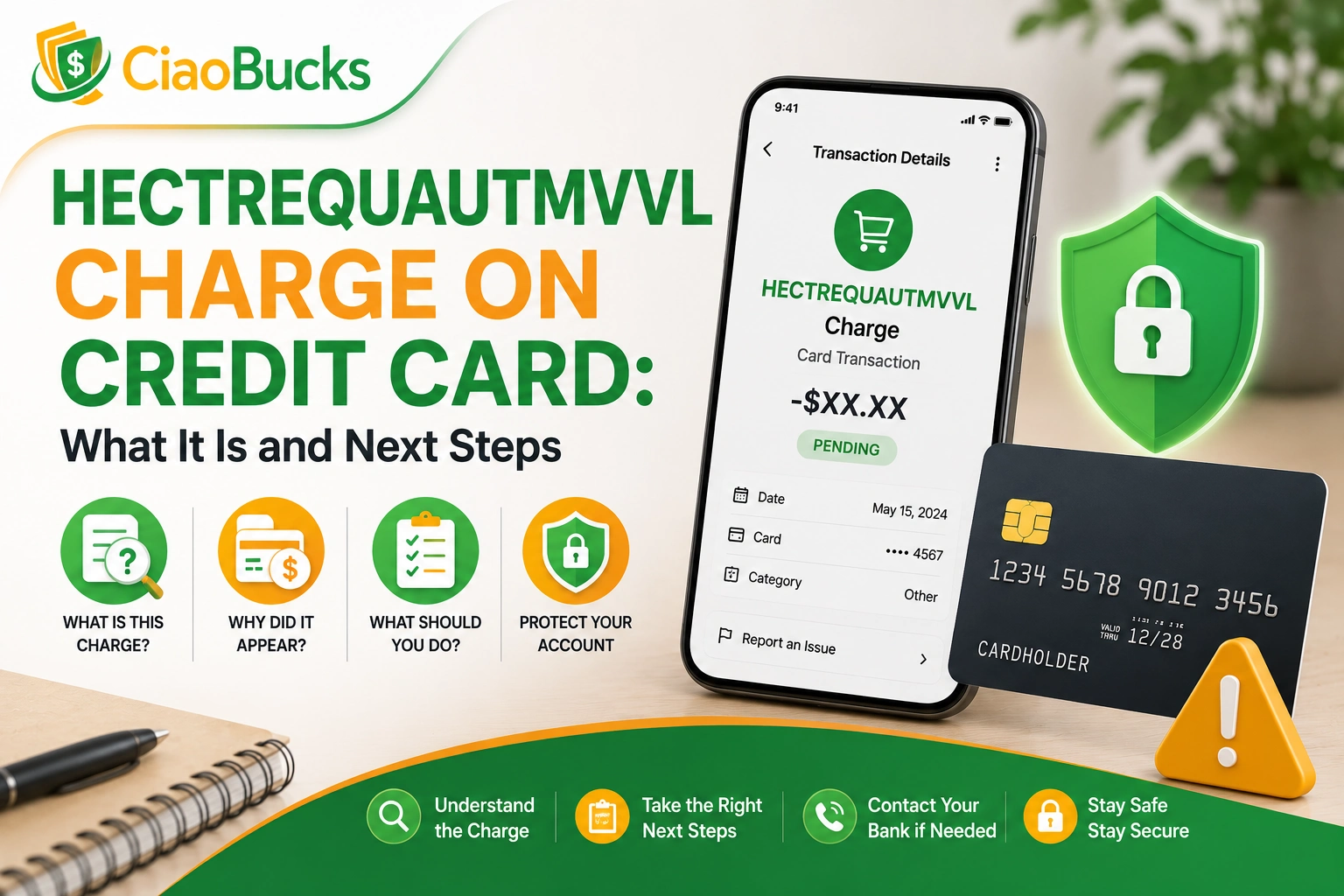
Seeing the hectrequautmvvl charge on your credit card can be alarming. The random string of letters looks nothing like a normal merchant name and often leaves you wondering if someone used your card without permission.
This guide explains exactly what the hectrequautmvvl charge on credit card represents in 2026. It covers why the charge shows up and the clear steps you can take to verify or dispute it safely.
What Is the Hectrequautmvvl Charge on Your Credit Card?
The hectrequautmvvl charge appears as an unusual merchant billing descriptor on your credit card statement. Banks and payment processors sometimes use coded strings like this instead of a clear company name.
This practice makes it hard to recognize the transaction at first glance. Many cardholders see it for the first time and immediately suspect fraud.
How the Charge Appears on Statements
You will typically find the entry listed as “HECTREQUAUTMVVL” or a similar variation in all capital letters. It may also include a small amount and a transaction date.
Some statements show an associated phone number such as +1 (415) 449-4724 next to the descriptor. The charge usually posts as a one-time or recurring debit.
Why the Descriptor Looks So Unusual
Merchant processors use coded descriptors to route payments efficiently through banking networks. However, obscure strings like hectrequautmvvl provide almost no useful information to the cardholder.
This lack of clarity is one reason why such charges raise red flags for consumers.
Why You Might See This Charge
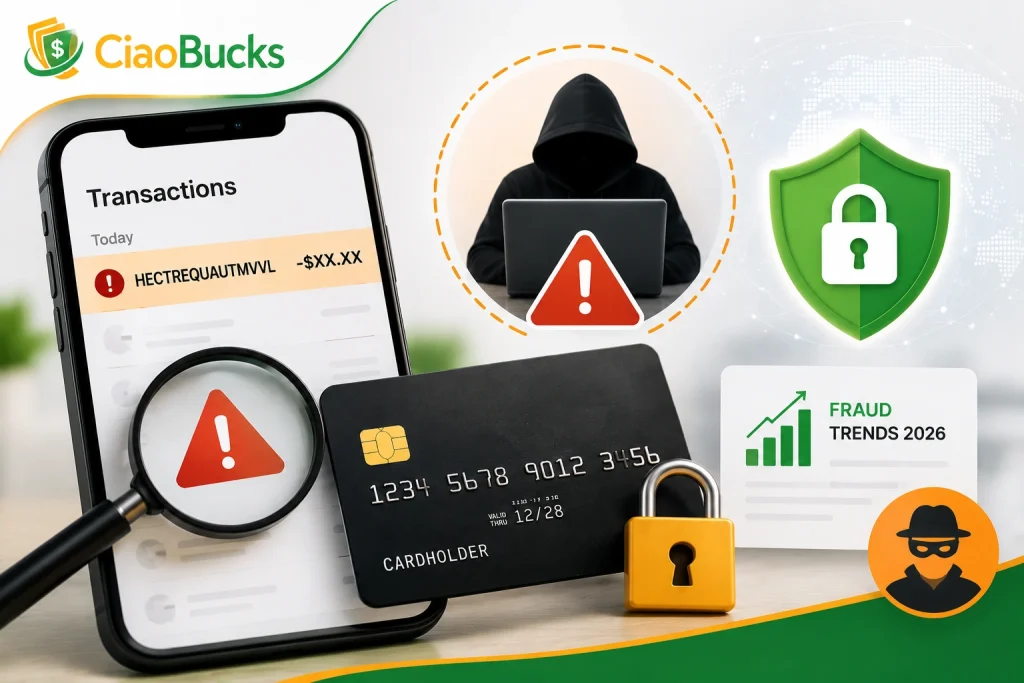
Coded descriptors like hectrequautmvvl often hide the true origin of the transaction. In many cases they point to unauthorized activity rather than a purchase you made.
Understanding the common patterns helps you decide whether quick action is necessary.
Common Reasons Behind Coded Descriptors Like Hectrequautmvvl
Fraudsters frequently use random or generated strings to mask small test charges or unauthorized subscriptions. These charges test whether a stolen card still works before larger amounts are taken.
Legitimate merchants rarely use such confusing descriptors, which is why most reports classify this one as suspicious. Similar confusing entries, such as the 18337823729 charge on credit card, also leave many cardholders unsure at first.
2026 Fraud Trends Involving Unknown Merchant Billing Descriptors
Credit card fraud continues to evolve in 2026. Industry data shows billions in annual losses from online scams that rely on obscure billing descriptors to evade detection.
Criminals exploit payment networks by using coded merchant billing descriptors. This tactic makes it harder for consumers and banks to spot unauthorized transactions quickly.
Is the Hectrequautmvvl Charge Legitimate?
The vast majority of hectrequautmvvl charges turn out to be unauthorized transactions. No major legitimate merchant publicly claims this descriptor.
Still, it is wise to verify every unknown entry. Quick checks protect you from the rare cases of legitimate activity while giving you peace of mind.
Signs It Is Likely an Unauthorized Transaction
The charge looks suspicious if you have no recent online purchases, subscriptions, or website-related activity that could explain it. It often appears with no matching order confirmation or email receipt.
Many users also report the same descriptor appearing on multiple cards or in small test amounts followed by larger ones. Other mystery charges, such as the DB Vertrieb GmbH charge on credit card, follow similar patterns.
Rare Cases Where It Could Be Legitimate
In very limited situations the charge might link to an obscure payment processor or auto-renewal from a service like a website builder. However, even then the descriptor provides almost no helpful details.
If you have no connection to any such service, treat the hectrequautmvvl charge on credit card as unauthorized until proven otherwise.
How to Quickly Verify the Hectrequautmvvl Charge
After confirming the charge looks suspicious, the next step is to verify it as fast as possible. A few targeted checks can quickly reveal whether the hectrequautmvvl charge on credit card belongs to you or requires immediate action.
Acting promptly limits any potential damage and gives you clear next steps.
Review Your Transaction History and Recent Purchases
Log into your online banking or credit card account and scroll through the past 30 to 60 days of activity. Look for any matching amount and date that could link to an online purchase, subscription, or digital service.
Compare the charge against order confirmation emails, receipts, or app notifications. If nothing matches, the transaction is likely unauthorized.
Search the Descriptor and Check for Related Accounts
Type “hectrequautmvvl charge” into a search engine to see recent consumer reports. Also review any accounts tied to website builders or payment processors you might have used.
Some users check services like Wix using their charge-locator tool, but most reports show no legitimate connection to this descriptor.
Contact Your Bank or Card Issuer for Details
Call the number on the back of your credit card or use the banking app’s secure chat. Provide the exact descriptor “HECTREQUAUTMVVL,” the amount, and the date.
Your issuer can often share the merchant category code or additional transaction details that help identify the source.
What to Do If the Charge Is Unauthorized
When verification confirms the hectrequautmvvl charge is not yours, treat it as fraud and move quickly to protect your account. Banks have straightforward systems designed to help in these situations.
The process is simple and usually works in the cardholder’s favor when reported promptly.
Immediate Actions to Protect Your Account
Freeze or lock your credit card through the app or by calling your issuer right away. Change passwords for any linked online accounts and enable two-factor authentication everywhere.
These quick steps stop further unauthorized transactions while you file the formal dispute.
Step-by-Step Dispute Process
Report the charge to your bank or card issuer as soon as possible. Most issuers allow you to dispute it online, through the app, or over the phone.
Submit supporting details such as your transaction history and any evidence that you did not authorize the purchase. The bank will typically place a temporary credit on your account during the investigation.
Your Rights Under the Fair Credit Billing Act and Electronic Fund Transfer Act
Federal law protects you. Under the Fair Credit Billing Act for credit cards, your liability for unauthorized charges is limited to $50 at most, and many issuers waive it entirely.
For debit cards, the Electronic Fund Transfer Act offers similar safeguards if you report the issue within 60 days. Banks must investigate within two billing cycles and cannot hold you responsible during the review. Understanding related credit concepts such as what is a charge off on a credit report can also help you monitor your long-term credit health.
Tips to Prevent Future Unknown Charges
Preventing charges like hectrequautmvvl starts with consistent habits that keep your accounts secure. Small daily practices make a big difference over time.
Staying vigilant reduces the chance of becoming a victim of coded fraud descriptors.
Monitor Account Activity and Set Alerts
Review your statements weekly instead of waiting for the monthly bill. Turn on real-time transaction alerts so your phone notifies you of every new charge.
Most banks also let you set spending limits or block certain merchant categories for extra peace of mind.
Secure Practices for Online Shopping and Subscriptions
Only use trusted websites and avoid saving card details on every store. Consider using virtual or one-time card numbers for online purchases when available.
Regularly review and cancel any unused subscriptions. If you no longer need a service, remove your payment information completely to stop hidden renewals. Many readers also research the National Entertainment charge on credit card when they encounter similar unknown entries.
FAQs
What is the hectrequautmvvl charge on my credit card?
The hectrequautmvvl charge on credit card is an obscure merchant billing descriptor that usually indicates an unauthorized transaction or test charge by fraudsters.
Is the hectrequautmvvl charge on credit card legitimate?
In the vast majority of cases, the hectrequautmvvl charge on credit card is not legitimate. No major merchant uses this coded descriptor, and most reports label it as fraud.
What should I do about the hectrequautmvvl charge on my credit card?
Treat the hectrequautmvvl charge on credit card as unauthorized. Contact your bank immediately, freeze your card, and file a dispute while gathering any supporting evidence.
Can I dispute the hectrequautmvvl charge on my credit card?
Yes. You can dispute the hectrequautmvvl charge on your credit card through your issuer. Federal protections under the Fair Credit Billing Act limit your liability and require the bank to investigate promptly.
How do I stop the hectrequautmvvl charge from appearing again?
To stop the hectrequautmvvl charge, dispute the current transaction, monitor your account closely, and enable alerts. If it recurs, ask your bank to block the descriptor permanently.
Final Takeaways
The hectrequautmvvl charge on your credit card is almost always a suspicious coded descriptor linked to unauthorized activity. Quick verification and immediate reporting protect your finances effectively.
By reviewing your statements regularly, setting alerts, and using secure shopping habits, you can avoid similar unknown charges in the future. When in doubt, contact your bank right away — they are there to help resolve these issues fast.